
Creating a better family lifestyle involves making thoughtful decisions that support everyone’s well-being, happiness, and long-term goals. From maintaining a comfortable home to encouraging healthy habits and making time for meaningful experiences, everyday choices can influence how families live and interact. While every household has different priorities, building a positive lifestyle often starts with recognizing what matters most and finding practical ways to support those needs.
A fulfilling family lifestyle does not necessarily require major changes or expensive purchases. Small improvements, such as organizing household responsibilities, planning activities together, prioritizing health, and creating comfortable living spaces, can make a noticeable difference. When family members work together and communicate openly, they can develop routines and traditions that strengthen relationships while making everyday life more enjoyable.
Thoughtful choices also involve planning for the future. Whether making decisions about education, healthcare, finances, home improvements, or recreation, considering the needs of every household member can help families create an environment where everyone feels supported.

1. Creating a Comfortable and Functional Home
The home is often the center of family life. It provides a place to relax, spend time together, complete daily responsibilities, and create lasting memories. Maintaining a comfortable and functional living environment can make everyday routines easier while supporting the needs of different household members.
Prioritizing Home Maintenance
Regular home maintenance helps protect the property and prevent small problems from becoming more expensive concerns. Families should pay attention to important features such as roofing, plumbing, electrical systems, heating, cooling, and exterior surfaces.
Roof maintenance is particularly important because the roof protects the home’s interior from weather exposure. Working with a professional roofing company can help homeowners evaluate roof conditions, address existing damage, and determine whether repairs or replacement are necessary. Keeping this part of the home in good condition supports the property’s long-term functionality.
Homeowners should also consider how their living spaces accommodate changing family needs. A growing household may require additional storage, more functional common areas, or improvements that make everyday activities easier. Planning these changes around current and future needs can help families avoid unnecessary renovations.
Making Shared Spaces More Inviting
Shared spaces encourage family members to spend time together. Living rooms, kitchens, dining areas, and outdoor spaces can all serve as gathering places for conversation, meals, entertainment, and relaxation.
Creating an inviting environment does not require an elaborate design. Comfortable seating, practical storage, appropriate lighting, and a layout that supports everyday activities can make common areas more enjoyable.
Families can also involve children in decisions about shared spaces. Allowing them to help organize their belongings, choose decorative elements, or contribute to household projects encourages responsibility and gives them a sense of ownership.
2. Supporting Healthy Habits for Every Family Member
Health is an important part of a fulfilling family lifestyle. Encouraging healthy habits at home can help family members develop routines that support their physical and emotional well-being.
Establishing Balanced Daily Routines
Consistent routines can make household responsibilities and personal activities easier to manage. Regular sleep schedules, balanced meals, physical activity, and time for relaxation all contribute to a more organized lifestyle.
Families can encourage healthy eating by planning meals together and keeping a variety of nutritious foods available. Preparing meals at home also provides opportunities for children to learn basic cooking skills and understand the importance of balanced nutrition.
Physical activity should be another part of family routines. Walking, cycling, swimming, playing outdoor games, and participating in recreational activities can help family members stay active while spending quality time together.
The goal should be to create sustainable habits rather than expecting everyone to follow an overly restrictive schedule. Allowing flexibility makes it easier to maintain healthy routines as family responsibilities change.
Making Personal Wellness a Priority
Every family member has individual health needs that deserve attention. Adults may need to balance work responsibilities with preventive care, while children require appropriate healthcare, sleep, nutrition, and opportunities for development.
Some individuals may also benefit from additional professional support when working toward personal health goals. A medical weight loss center may provide structured guidance for people who need assistance managing their weight through individualized programs and professional oversight.
Personal care is another consideration. Regular routines can help people maintain healthy skin and address concerns that may affect their comfort or confidence. Professional skin care treatment may be appropriate for individuals who want specialized attention based on their skin type and personal goals.
Families should remember that wellness looks different for everyone. Supporting individual needs without comparing family members can help create a healthier and more encouraging household environment.
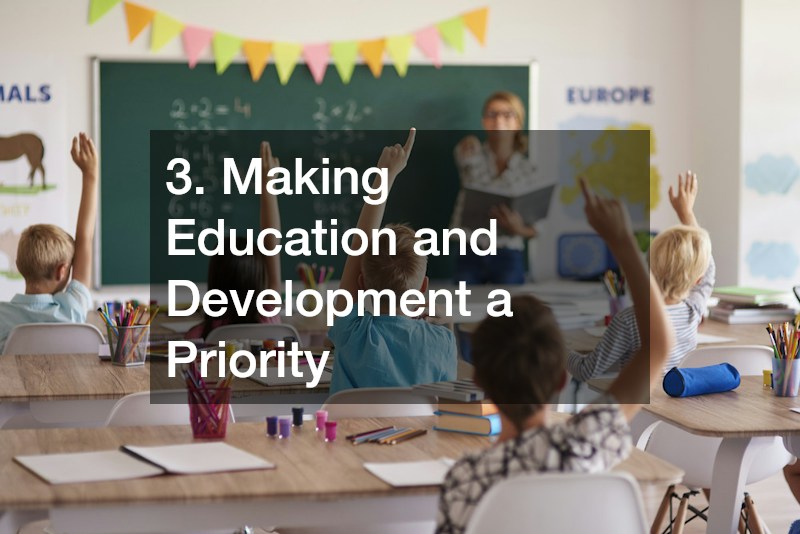
3. Making Education and Development a Priority
Education plays an important role in shaping a child’s opportunities and future independence. Families can support learning by staying involved in school activities, encouraging curiosity, and providing an environment where children feel comfortable asking questions.
Choosing Supportive Learning Environments
A child’s educational environment can influence academic development, social experiences, and confidence. Parents should consider factors such as teaching approaches, school culture, available resources, extracurricular opportunities, and communication between educators and families.
An elementary school provides an important foundation for children’s educational experiences. During these years, students develop fundamental reading, writing, mathematics, and problem-solving skills while learning how to interact with classmates and participate in structured activities.
Parents can support this process by maintaining communication with teachers, attending school events, and taking an interest in their children’s progress. Understanding what children are learning makes it easier to provide encouragement and identify areas where additional support may be helpful.
Encouraging Learning Outside the Classroom
Education does not stop when the school day ends. Everyday experiences can introduce children to new subjects, skills, and interests.
Reading together, visiting museums, exploring nature, preparing meals, and participating in community activities can all create opportunities for learning. Parents can also encourage children to pursue hobbies that develop creativity, patience, and problem-solving abilities.
Allowing children to explore different interests helps them discover what they enjoy. Some may gravitate toward sports, music, art, technology, or hands-on activities. Providing opportunities to experiment with different hobbies can support confidence and personal development.
4. Building Strong Family Relationships
A better family lifestyle depends on more than household organization and healthy routines. Strong relationships provide emotional support, encourage communication, and help family members navigate everyday challenges together.
Making Time for Meaningful Connections
Busy schedules can make it difficult for families to spend uninterrupted time together. Work, school, extracurricular activities, and household responsibilities may leave little room for spontaneous conversations or shared experiences.
Establishing regular opportunities to connect can help address this challenge. Family dinners, weekend activities, game nights, and shared hobbies provide time to interact without the distractions of everyday responsibilities.
These moments do not need to involve elaborate plans. Even a short conversation at the end of the day can help family members feel heard and appreciated.
Parents should also make individual time for each child when possible. One-on-one activities allow children to discuss their interests, share concerns, and develop stronger relationships with their parents.
Creating Traditions and Celebrating Milestones
Family traditions provide opportunities to create lasting memories. Celebrating birthdays, holidays, graduations, personal achievements, and other milestones can help establish a sense of connection and belonging.
Some families enjoy annual vacations or holiday gatherings, while others prefer simple traditions such as preparing a special meal or watching a favorite movie together.
Thoughtful celebrations do not have to involve significant expenses. Visiting card shops to choose meaningful birthday or holiday cards can be a small way to make special occasions more personal. Handwritten messages can communicate appreciation and create keepsakes that family members may value for years.
The most important consideration is choosing traditions that reflect the household’s interests and values rather than feeling obligated to follow expectations set by others.
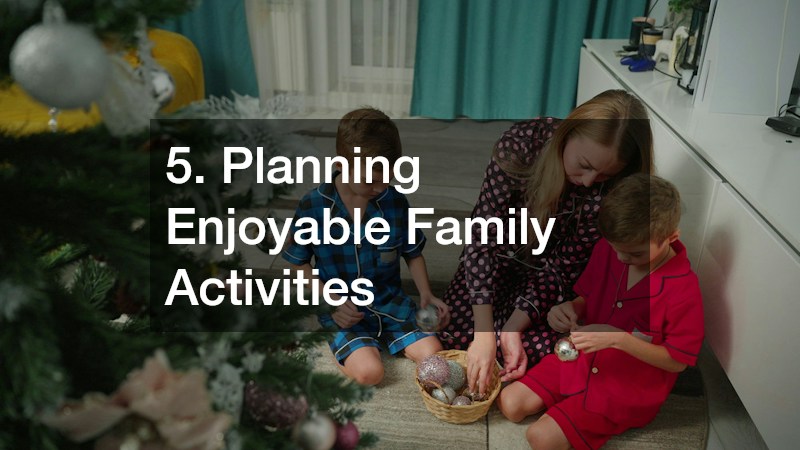
5. Planning Enjoyable Family Activities
Recreation contributes to a balanced lifestyle by giving family members opportunities to relax, explore, and enjoy experiences outside their usual routines. Planning activities together can also help strengthen relationships and introduce children to new environments.
Exploring Different Experiences
Families can choose activities based on their interests, schedules, and budgets. Outdoor recreation, community events, local attractions, sporting activities, and creative workshops can all provide opportunities to spend quality time together.
Trying something new can be particularly rewarding. A family might visit a nearby destination, attend a performance, explore a new park, or participate in a seasonal event.
Special occasions may also call for a different type of experience. For larger celebrations or group outings, party bus rentals can provide transportation for families and guests traveling together. This option may be worth considering when coordinating birthdays, graduations, or other planned gatherings.
Whatever the activity, families should consider the ages, interests, and comfort levels of everyone involved. Choosing experiences that accommodate different needs can make outings more enjoyable for the entire household.
Balancing Activities With Downtime
While participating in activities can enrich family life, maintaining a reasonable schedule is equally important. Too many commitments can leave children and adults feeling overwhelmed.
Families should leave room for unstructured time, hobbies, rest, and spontaneous activities. Children benefit from opportunities to play independently, while adults need time to manage personal responsibilities and recharge.
A balanced schedule makes it easier to enjoy planned experiences without turning every day into a series of obligations.
6. Taking Care of Family Healthcare Needs
Access to appropriate healthcare is essential for maintaining a healthy household. Families should establish routines for preventive care and understand where to seek professional assistance when health concerns arise.
Maintaining Dental Health
Oral health is an important part of overall wellness. Regular dental visits can help identify developing problems, maintain healthy teeth and gums, and provide guidance on proper oral hygiene.
Choosing convenient and appropriate dental offices can make it easier for family members to maintain consistent appointments. Parents should also encourage children to develop good brushing and flossing habits from an early age.
Some dental concerns require specialized attention beyond routine examinations and cleanings. Dental surgeons may provide services involving impacted teeth, complex extractions, jaw-related procedures, and other surgical dental needs.
Understanding the different types of dental care available can help families make informed decisions when treatment becomes necessary.
Caring for Family Pets
Pets are often important members of the household, and their health deserves consistent attention. Responsible pet ownership involves providing appropriate nutrition, exercise, grooming, preventive care, and regular veterinary visits.
Establishing a relationship with local veterinarians can help pet owners access routine examinations, vaccinations, and professional guidance. Veterinary care also provides an opportunity to discuss changes in an animal’s behavior, appetite, activity level, or general condition.
Families should consider pet care when making household schedules and travel plans. Children can participate in age-appropriate responsibilities, such as helping with feeding or keeping pet areas organized, while adults remain responsible for ensuring the animal receives proper care.
Including pets in family routines can strengthen household connections while teaching children about compassion and responsibility.

7. Developing Better Financial Habits
Financial decisions influence many aspects of family life, from household stability to educational opportunities and recreational activities. Developing practical financial habits can help families prepare for future expenses while reducing unnecessary stress.
Creating a Household Budget
A household budget provides a clearer understanding of income, expenses, savings, and financial priorities. Families should consider recurring costs such as housing, utilities, groceries, transportation, insurance, healthcare, and education.
Tracking spending can help identify areas where adjustments may be possible. For example, planning meals in advance, comparing service costs, and reducing unnecessary subscriptions may free up money for savings or important household goals.
It can also be helpful to involve children in age-appropriate financial discussions. Teaching them about saving, spending, and budgeting can introduce useful skills that support greater independence as they grow older.
Preparing for Future Expenses
Families should consider both expected and unexpected expenses when planning their finances. Emergency savings can provide a financial cushion when household appliances break, vehicles require repairs, or other unexpected situations arise.
Long-term goals may include saving for education, purchasing a home, planning vacations, or preparing for retirement. Breaking these goals into smaller steps can make them easier to manage.
Financial planning should also account for changing family circumstances. New employment opportunities, growing children, healthcare needs, and housing changes may require adjustments to existing budgets.
8. Encouraging Personal Interests and Individual Style
A fulfilling family lifestyle should leave room for each person to express their personality. Although shared activities and household traditions are important, individual interests also deserve attention.
Supporting Personal Expression
Clothing, hobbies, creative projects, and recreational interests can all provide ways for family members to express themselves. Parents can encourage children to explore different styles and interests while helping them make choices appropriate for their needs and activities.
For adults, personal style can also be a meaningful part of everyday life. Someone who enjoys Western-inspired fashion, for example, might incorporate cowgirl boots into casual outfits or special-occasion clothing. Finding ways to enjoy personal interests can contribute to confidence and make daily routines feel more rewarding.
Families should avoid placing unnecessary pressure on one another to share identical tastes. Supporting individual preferences creates an environment where everyone can feel comfortable expressing their personality.
Making Space for Individual Goals
Family members may have different ambitions, hobbies, and personal development goals. One person may want to learn a musical instrument, another may enjoy athletic activities, and someone else may prefer creative projects.
Making time for these interests helps prevent family responsibilities from becoming the only focus of daily life. Encouraging individual growth can also create opportunities for family members to share their accomplishments and learn from one another.
9. Making Thoughtful Decisions for the Future
Building a better family lifestyle is an ongoing process. Household needs change as children grow, careers develop, financial circumstances shift, and new priorities emerge.
Families should periodically review their routines and consider whether existing arrangements continue to support everyone’s needs. A schedule that works well for young children may need adjustments as school activities, social commitments, and responsibilities increase.
It is also useful to involve family members in conversations about future plans. Discussing household goals, upcoming expenses, travel ideas, and shared responsibilities encourages cooperation and helps everyone understand how individual decisions affect the household.
Flexibility is particularly important when unexpected circumstances arise. Rather than expecting every plan to work perfectly, families can focus on making reasonable adjustments while keeping their most important priorities in mind.
Creating a better family lifestyle starts with thoughtful choices that support health, relationships, education, financial stability, and everyday comfort. From maintaining a functional home and encouraging healthy habits to making time for meaningful experiences, small decisions can have a lasting influence on household well-being. By recognizing individual needs, communicating openly, and planning for the future, families can build routines and traditions that make everyday life more fulfilling.