
As the crisp autumn air turns into the sharp chill of winter, keeping your living space comfortable becomes a top priority for every homeowner. A warm home is not merely a matter of personal comfort; it is essential for protecting your property from winter weather hazards like frozen pipes and structural draft issues. Preparing your house for the cold season requires a thoughtful, multi-step strategy that combines thermal management, equipment maintenance, and routine household adjustments.
Taking early action before the first freezing temperatures arrive allows you to address potential vulnerabilities without paying emergency rates. By evaluating your home from the roof down to the foundation, you can build a comprehensive barrier against cold drafts while maintaining high indoor air quality. Implementing smart upgrades, scheduling routine tune-ups, and insulating key structural boundaries will drastically reduce thermal escaping paths, lower seasonal monthly utility expenses, and preserve long-term building health throughout the coldest months of the year.
Optimizing Thermal Envelope and Insulation Barriers
Enhancing Upper Level Heat Retention
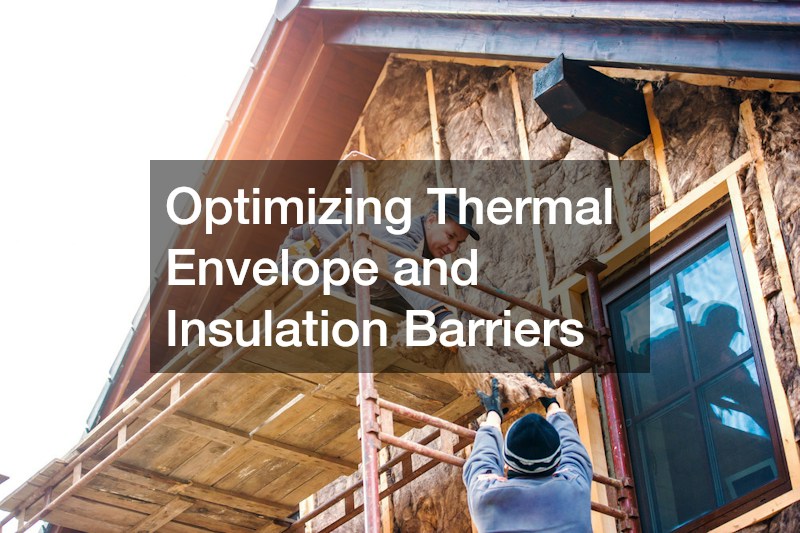
The attic is often the single greatest source of thermal loss in a residential structure. Because warm air naturally rises through convection, inadequate barrier depth allows expensive heat to pass straight through the ceiling and out of the roof. Furthermore, when uninsulated spaces allow indoor warmth to escape into the roof cavity, it can cause snow melt on the exterior roof surface that refreezes into destructive ice dams along the eaves.
- Inspect the depth and quality of the thermal material situated between your attic floor joists to ensure it meets recommended climate standards.
- Seal hidden air gaps around recessed lights, chimney flues, and plumbing stacks using specialized fire-rated expanding foam or caulking.
- Verify that soffit vents remain unblocked so that proper ventilation continues to prevent ice dam formation on the outer roofline.
When evaluating your home envelope, hiring a certified insulation contractor can ensure every micro-gap is identified and properly remediated.
Upgrading Thermal Defenses in Unfinished Spaces
Unheated areas such as crawl spaces, basements, and attached garages act as massive thermal sinks that constantly pull heat away from your primary living zones. Treating these boundaries prevents cold floors and lowers the energy required to maintain a steady indoor temperature. Uninsulated foundation walls and exposed floor joists act as conductive paths for ground-level cold air, dampening your overall indoor comfort.
- Add rigid foam boards along interior foundation walls in the basement to stop cold transfer from the surrounding soil.
- Insulate the underside of ground floors situated over unheated crawl spaces using high-density roll materials.
- Verify that access hatches leading to the attic or crawl spaces are fully weather-stripped and structurally insulated.
If your ceiling insulation is old or settling, contacting reputable attic insulation companies can help restore your home to peak thermal resistance.
Addressing Ductwork Efficiency and Air Thermal Losses
In many residences, forced-air distribution systems run directly through unheated attics, basements, or crawl spaces. Uninsulated or leaky ductwork can leak up to thirty percent of heated air before it ever arrives in your primary living areas.
- Inspect visible duct connections for gaps, loose joints, or missing foil tape that allow warm air to escape into cold structural cavities.
- Wrap metal ductwork passing through unheated zones with foil-faced fiberglass insulation to preserve air temperatures during transit.
- Seal register boots where ductwork meets floor or ceiling drywall using heavy-duty mastic sealant to eliminate border air leaks.
Inspecting and Servicing Primary Heating Units

Routine Inspection of Central Forced-Air Systems
Your central heating unit works double-time during prolonged freezing spells, making pre-season maintenance vital to preventing unexpected mid-winter breakdowns. A thorough check ensures that fuel burns efficiently and heat distribution remains even across all rooms. Dirty internal components not only waste operational energy but also exacerbate mechanical wear that significantly shortens equipment lifespan.
- Replace dirty air filters every one to three months to allow unrestricted airflow and reduce strain on the blower motor.
- Vacuum air supply registers and return vents throughout the house to remove dust accumulations that hinder warmth.
- Test your wall thermostat to confirm that calibrated temperatures match actual room heat levels accurately.
When your system shows signs of wear, securing local furnace repairs early in the fall ensures reliable operation before technicians face winter scheduling backlogs.
Alternative Heating System Diagnostics
Homes relying on electric heat exchangers require special attention to ensure that coils, outdoor fins, and reversing valves remain free of ice build-up and organic debris. These dual-action units must operate smoothly to manage low outdoor temperatures efficiently. Without proper clearance around the outdoor coil, the equipment struggles to extract ambient heat, drastically lowering overall seasonal efficiency.
- Clear dead leaves, fallen branches, and snow accumulation from around the exterior unit to ensure unimpeded intake air.
- Wash the exterior condenser coils gently using a low-pressure garden hose to remove caked-on dirt and salt.
- Program defrost cycles properly to prevent structural frost formation on the coil assembly during sub-freezing nights.
Investing in an efficient Heat pump setup allows homeowners to maintain consistent indoor warmth while keeping overall energy consumption under control.
Maximizing Air Circulation and Air Quality
Keeping your home warm is not only about producing heat; it is equally about circulating that heat effectively across every living area. Standard household fixtures can be repurposed during cold weather to distribute rising warm air back down toward floor levels.
- Set ceiling fans to rotate clockwise at low speeds to force trapped ceiling heat downward without creating a cooling breeze.
- Keep interior doors open across main living corridors to allow warm air to move freely back toward primary air return vents.
- Run whole-home humidifiers to maintain indoor relative humidity between thirty and fifty percent, which makes ambient air feel warmer.
Maintaining Fuel Supplies and Equipment Reliability
Managing Fuel Stock and Price Fluctuations
For properties reliant on liquid fuel systems, managing your supply tank requires monitoring both physical levels and regional market trends. Running out of fuel during a cold snap can lead to loss of heat and mechanical priming issues. Operating a system on near-empty storage can pull residual sediment into delicate burner assemblies, clogging fuel lines and stopping heating cycles entirely.
- Schedule fuel tank deliveries early in the autumn when supplier delivery schedules are flexible and demand is low.
- Monitor market costs regularly to buy fuel during seasonal dips rather than during peak winter spikes.
- Establish a contractual auto-refill arrangement with a reliable supplier to prevent your storage tank from dipping below one-quarter full.
Keeping track of the seasonal heating oil price lets you budget effectively while protecting your household against sudden price surges caused by severe weather.
Maintaining Burner Efficiency and Mechanical Safety
Oil burners and gas furnaces contain intricate nozzle, ignition, and combustion assemblies that require precision tuning to prevent soot accumulation and energy waste. Over time, incomplete combustion can compromise fuel utilization and discharge harmful gases into domestic spaces if left unchecked.
- Clean the flame sensor and ignition electrodes to guarantee fast, dependable start-ups when the thermostat calls for heat.
- Inspect exhaust flues and chimney connectors for rust, loose joints, or animal nests that block harmful gases.
- Test safety shut-off switches to verify that fuel stops flowing immediately if a burner misfire occurs.
When mechanical issues arise during seasonal startup, scheduling a professional Heating repair service ensures your system burns clean and runs safely.
Protecting Domestic Plumbing and Water Heating Systems

Preventing Pipe Freezing and Structural Leaks
Plumbing systems are particularly vulnerable to low temperatures. Water expands as it freezes, exerting immense pressure on copper, PEX, or PVC lines that can lead to catastrophic bursts inside walls or crawl spaces. When a frozen pipe ruptures during a hard freeze, water damage can compromise structural framing and cause thousands of dollars in property loss within minutes.
- Wrap all exposed water pipes running through exterior walls, basements, and unheated attics with thick foam pipe sleeves.
- Disconnect outdoor garden hoses, drain external spigots, and close interior shut-off valves leading to outside faucets.
- Keep cabinet doors open under sinks during extreme freezes to allow warm room air to circulate around plumbing fixtures.
If you discover hairline leaks or pressure drops during winter prep, contacting professional plumbing services preserves your home structure from expensive water damage.
Maintaining Domestic Hot Water Reliability
Your water heater works harder in winter because incoming municipal water supply temperatures drop significantly. Keeping this essential appliance operating smoothly guarantees reliable hot water for daily domestic needs. Cold incoming supply lines require the heating elements or burners to operate longer to maintain set temperatures, increasing standby energy consumption.
- Flush sediment out of the bottom of the water heater tank annually to preserve heating efficiency and prevent corrosion.
- Set the appliance thermostat to 120 degrees Fahrenheit to balance domestic safety, adequate heat, and energy conservation.
- Wrap older water heater tanks in a dedicated insulating jacket to reduce standby heat loss in cold basements.
When your tank fails to produce adequate hot water, reaching out to water heater repair companies resolves component failures before total system loss occurs.
Servicing Tankless and Specialized Fixtures
Tankless water heaters provide on-demand warmth but require routine maintenance to prevent mineral scaling that accelerates during cold weather operations. Scaling inside the heat exchanger isolates hot burner gases from flowing water, driving up energy costs and risking premature heating element failure.
- Flush tankless units with a descaling solution to clear mineral deposits from the compact heat exchanger matrix.
- Inspect outdoor venting pipes on tankless installations to ensure snow or ice build-up does not block exhaust gases.
- Test temperature and pressure relief valves on storage units to confirm proper mechanical operation.
Relying on certified water heater services ensures your domestic water infrastructure operates efficiently throughout the coldest months of the year.
Draft Elimination and Fenestration Care
Sealing Windows and Glazing Boundaries
Windows are primary thermal bridges where interior heat escapes rapidly through glass and unsealed frame perimeters. Simple sealing projects yield immediate improvements in indoor thermal comfort. Uncontrolled window leaks pull outdoor frost across interior sills, causing localized cold spots even when your main heating unit operates at high capacity.
- Apply clear shrink-film insulation kits across inner window frames to create a dead-air insulating barrier.
- Replace cracked or hardened window glazing putty to stop wind penetration around glass edges.
- Install heavy, thermal-lined drapery over large window spans to pull closed during cold nights.
Eliminating Door and Perimeter Infiltration
Exterior doors are constant sources of cold air leaks if weather stripping is worn, compressed, or missing altogether. Loose structural thresholds act as wide gaps for freezing drafts to sweep across hardwood floors and carpets.
- Replace worn rubber seals along the top and side jambs of all exterior entry doors.
- Install heavy-duty door sweeps along the bottom threshold to block cold air moving across the floor.
- Use removable foam draft stoppers along baseboards and interior doors leading to unheated garages.
Sealing Exterior Structural Penetrations
Cold winter winds can infiltrate your home through small perimeter openings where utility lines pass through exterior siding and foundation walls. Air leakage through these hidden openings pulls outdoor chill directly into wall cavities, cooling down room surfaces from the inside out.
- Fill gaps around exterior cable lines, electrical conduits, and hose bibs using outdoor-grade expanding spray foam.
- Apply high-grade exterior caulk along joints where wooden siding meets brick, stone, or concrete foundations.
- Install foam gasket seals behind electrical outlets and switch plates located on exterior-facing walls to block hidden drafts.
Emergency Preparedness and Smart Climate Controls
Implementing Programmable Thermostats
Smart temperature control allows you to optimize your energy consumption without sacrificing personal comfort when you are at home and awake. Automated temperature schedules adjust system output precisely around your family daily routines, keeping costs manageable without requiring manual intervention.
- Set lower target temperatures overnight or during working hours when the house is unoccupied.
- Utilize geofencing features on modern thermostats to raise temperatures automatically as you approach home.
- Avoid drastic temperature setbacks during extreme cold spells, which force heating equipment to run continuously to recover.
When unexpected mechanical failures leave your house cold, calling for immediate heater repair restores safe indoor temperatures before household components suffer damage.
Preparing Backup Power and Emergency Supplies
Severe winter storms can knock out electrical grids, taking down modern heating systems that rely on electronic controls or circulating pumps. Being prepared for extended power outages keeps your family safe and warm when main heating systems stall out.
- Test portable emergency generators outdoors to ensure they start smoothly and yield stable power output.
- Stock up on dry firewood, safety matches, and chimney cleaning logs if you operate a wood stove or masonry fireplace.
- Keep backup battery packs charged for essential electronic devices, medical equipment, and emergency lighting.
Preparing your home for winter demands a balanced approach that addresses structural insulation, mechanical equipment efficiency, and draft control. By tackling these projects before severe weather strikes, you ensure a warm, safe, and comfortable indoor environment for your household. Taking proactive steps today protects your property investment, reduces monthly utility expenditures, and provides total peace of mind all winter long.