Every parent wants their kids to grow up healthy, active, and connected to the people who love them most, but building those habits takes more than good intentions. The families who succeed usually do a few concrete things well: they make movement a regular part of life, they invest in experiences over things, and they create traditions that stick. This article walks through practical, real-world ways to weave health, sport, and lasting memories into everyday family life, along with the small logistical details that make it all sustainable.
Building Daily Movement Into Family Routines
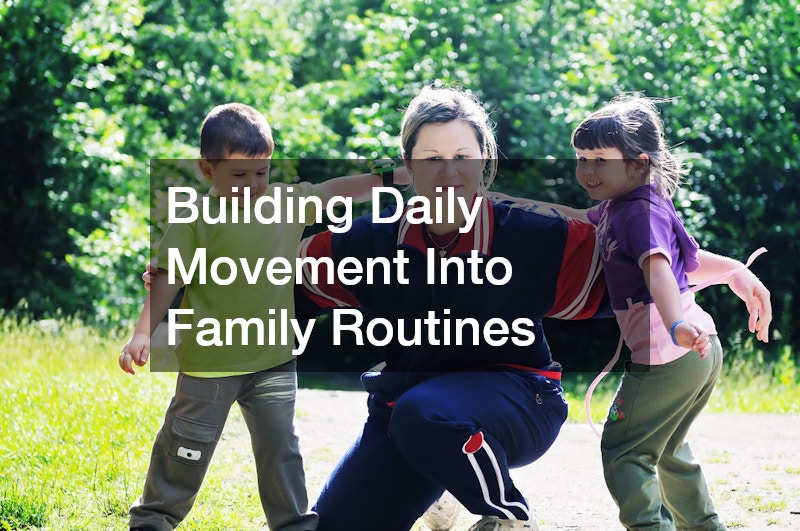
Kids mirror what they see, so the easiest way to raise active children is to make movement a visible, normal part of household life rather than a special event. This might mean family walks after dinner, weekend bike rides, or simply playing catch in the backyard before homework starts. Even ten to fifteen minutes counts—the point isn’t a formal workout, it’s showing kids that bodies are meant to move throughout the day.
Anchoring movement to existing routines makes it stick without adding another item to an already crowded schedule. Try stretching together while breakfast cooks, walking to school instead of driving when time allows, or turning chore time into a game by racing to see who folds laundry fastest. Weekends offer a natural window for slightly bigger outings, like a hike, a trip to the pool, or a pickup game at a local park.
The goal is consistency, not intensity, since small daily habits compound into lifelong attitudes about exercise. A simple visual tracker on the fridge, where each family member adds a sticker for every active day, can reinforce the habit without turning it into a chore. What matters most is that kids experience movement as something woven into ordinary life—not a punishment, not a special occasion, just what the family does.
Parents often overlook how much home environment influences this. A backyard that invites play, with open space and easy access to the outdoors, gets used far more than one that feels closed off or hard to reach. Even small barriers, like a heavy door or a cluttered patio, can be enough to keep kids parked in front of a screen instead of heading outside.
Something as simple as upgrading old, sticky sliding glass doors to smoother patio doors can make it easier for kids to dash in and out without a parent needing to supervise every trip. Newer models glide with minimal effort, which matters more than it sounds when a six-year-old is trying to chase a sibling into the yard. This kind of low-friction access encourages more spontaneous outdoor time, turning the backyard into a natural extension of the living room rather than a separate destination that requires planning.
Other small environmental cues add up too. Keeping a bin of balls, jump ropes, or sidewalk chalk near the door removes the excuse of “I don’t have anything to do out there.” A cleared path from the kitchen to the yard, free of toys or furniture, shaves off the seconds of friction that often decide whether a child steps outside or flops onto the couch. Even 15 to 20 extra minutes of unstructured outdoor play a day, multiplied across a week, can meaningfully boost a child’s overall activity levels without any formal exercise plan involved.
Choosing Organized Sports That Fit Your Child
Organized sports teach discipline, teamwork, and resilience, but the wrong fit can turn a child off physical activity entirely. Before committing to a season, think about your child’s temperament, physical readiness, and actual interest level rather than what seems popular among peers. A sport that feels like punishment will not build the lifelong love of movement you are hoping for.
Specialized coaching can be worth the investment once a child shows genuine interest and some baseline skill. For example, enrolling a child at a local tennis academy gives them structured instruction, proper technique, and a peer group of similarly motivated kids, which often matters more for long-term engagement than raw talent. Look for programs that emphasize fun and skill-building over early competition, especially for children under ten.
- Try a season of a sport before buying expensive gear
- Ask coaches how they handle burnout and overtraining in young kids
- Rotate sports seasonally to prevent overuse injuries
- Watch for signs of genuine enjoyment versus parental pressure
Protecting Growing Bodies With Regular Checkups

Active kids need proactive healthcare, not just reactive visits when something hurts. Regular checkups catch growth issues, posture problems, and early signs of overuse injury before they become chronic. Pediatricians and sports medicine specialists can also offer guidance on age-appropriate training loads that many parents simply do not think to ask about.
Dental health is easy to neglect amid busy sports schedules, but mouthguards, nutrition, and hydration habits tied to athletics all affect oral health. Scheduling regular visits to a dentist office should be treated with the same priority as a sports physical, particularly for kids in contact sports where dental injuries are common. Many practices now offer custom mouthguard fittings during routine visits, which is a simple way to combine two necessary appointments into one.
Creating a Home Environment That Supports Recovery
Recovery is an underrated part of youth athletics, and it starts at home with basics like sleep, hydration, and warm baths or showers after intense activity. A functioning, reliable hot water supply matters more than most families realize until it fails during a busy training week. If your water heater is inconsistent, calling a water heater repair company before the school sports season ramps up can prevent the frustration of cold showers after a long practice or game.
Beyond physical recovery, home should feel like a place where kids can decompress from competitive pressure. Designating a quiet space for stretching, homework, or simply unwinding helps kids separate the intensity of sport from daily life. This balance teaches them that their identity is not solely tied to performance, which is a healthier long-term mindset.
Hosting Outdoor Gatherings and Backyard Events

Some of the strongest family memories come from casual backyard events like birthday parties, end-of-season team celebrations, or holiday barbecues. These gatherings do not need to be elaborate to be meaningful, but a little planning goes a long way when hosting larger groups. Thinking through practical logistics ahead of time prevents stress on the actual day.
For bigger events, especially multi-family gatherings or tournament watch parties, sanitation and guest comfort are easy to overlook until it becomes a problem. Renting a portable restroom trailer for a large backyard event keeps guests comfortable without straining your household plumbing, and it is a detail that pays off when you have dozens of people cycling through your yard over several hours. Planning this kind of infrastructure in advance is far easier than scrambling last minute.
- Set up shaded seating areas for parents watching games
- Create a simple potluck sign-up to reduce hosting burden
- Designate a kids-only zone with games and activities
- Plan bathroom logistics early for events over twenty guests
Maintaining a Home That Can Handle an Active Family
Active families put real wear and tear on their homes, from muddy cleats tracked through hallways to balls landing on the roof during backyard games. Staying ahead of home maintenance prevents small issues from becoming expensive emergencies that disrupt family routines. This is especially true for the parts of the house that take the most abuse from outdoor play.
Roofs absorb more damage than most parents expect, whether from stray baseballs, basketball hoops mounted near the eaves, or general weather exposure in a yard used constantly for sports. Scheduling an annual inspection with roofing companies helps catch minor damage before it turns into a leak, particularly if your kids play in the yard year-round. A well-maintained roof also protects the sports equipment and memorabilia many families store in garages or attics.
Displaying Family Achievements and Shared Memories
Kids take pride in seeing their accomplishments recognized, and creating a visible space for trophies, jerseys, and photos reinforces the value of effort and teamwork. This does not require a dedicated trophy room; even a hallway shelf or a few framed items can communicate that these milestones matter to the whole family. The act of choosing what to display together becomes its own bonding ritual.
Many families also enjoy collecting broader sports memorabilia tied to teams or athletes they admire together, which can spark conversations about history, dedication, and sportsmanship. A signed ball, an old ticket stub, or a jersey from a memorable game day can become a meaningful anchor for family storytelling for years afterward. These items work best when displayed with context, like a small note about the game or the day it was acquired.
- Rotate displayed items seasonally to keep things fresh
- Include kids in choosing how items are framed or arranged
- Pair memorabilia with photos from the same event
- Store valuable items away from direct sunlight to prevent fading
Making Family Outings Efficient and Enjoyable
Getting a family with multiple active kids from practice to practice, or across town for tournaments, requires some logistical creativity. Many families find that a golf cart is not just for the golf course anymore, especially in neighborhoods, campgrounds, or large sports complexes with sprawling parking areas. A custom golf cart outfitted with extra seating or storage can make hauling gear, coolers, and tired kids across a sports complex far less exhausting.
Beyond the cart itself, outings run more smoothly when parents build in buffer time and pack essentials in advance. Simple systems like a dedicated sports bag for each child, prepped the night before, save enormous amounts of morning stress. These small efficiencies free up energy for actually enjoying the outing together rather than managing logistics.
Caring for Family Pets Alongside Active Kids
Pets are often part of the family fabric that shapes childhood memories just as much as sports and travel do, and keeping them healthy takes deliberate effort amid a busy schedule. Regular visits to a veterinary hospital ensure pets stay healthy enough to keep up with active households, especially dogs that join family walks, runs, or backyard play sessions. Preventive care for pets mirrors the same philosophy parents apply to their kids: catch small issues early.
Involving kids in pet care, from feeding schedules to vet visits, teaches responsibility and empathy that extends beyond the home. Many families find that a family dog becomes a natural motivator for daily outdoor activity, since walks and play sessions happen more consistently when a pet is counting on them. This shared responsibility often becomes one of the quieter, more consistent bonding experiences in a busy household.
Planning Moves Without Disrupting Family Routines
Relocations are inevitable for many families, whether for jobs, schools, or simply needing more space, and they can disrupt the sports schedules and routines kids depend on. Timing a move around the school sports calendar, when possible, reduces the emotional toll on kids mid-season. Clear communication with coaches and league organizers ahead of a move also helps kids transition to a new team more smoothly.
Working with a local long distance moving company that understands family timelines can make the difference between a stressful relocation and a manageable one. Ask movers directly about scheduling flexibility around game days or tournaments, since many companies are willing to accommodate specific date requests when given enough notice. Packing sentimental items, like trophies or family photos, separately and clearly labeled also prevents them from getting lost in the shuffle of a big move.
- Request a moving timeline that avoids peak tournament weekends
- Notify coaches and schools early about relocation plans
- Pack memorabilia and keepsakes separately from general boxes
- Research new sports leagues or academies before arriving in a new city
Raising kids who value health, sport, and family memories is less about any single big decision and more about consistent, thoughtful choices woven into everyday life. From the routines you build at home to the way you plan outings, maintain your property, and preserve keepsakes, every small effort adds up over time. Start with one or two changes that feel manageable this month, and let the habits grow naturally from there. The goal is not perfection, but a household where activity, care, and connection feel like the norm rather than the exception.