
Creating a home that feels like a personal sanctuary is one of the most rewarding journeys you can undertake. True cozy living is far more than an aesthetic trend or a fleeting interior design phase. It is a intentional philosophy centered on comfort, warmth, security, and effortless functionality. When you step through your front door after a long, demanding day, your environment should instantly signal to your nervous system that it is time to unwind, breathe deeply, and relax. Achieving this level of domestic comfort requires looking at your space through a holistic lens, examining everything from the tactile qualities of your textiles and the color temperature of your lighting to the underlying structural elements and daily maintenance routines that keep chaos at bay.
Foundations of Warmth and Visual Comfort

The atmosphere of any room is heavily dictated by its visual weight and light distribution. Before you begin moving furniture or purchasing new decor, you must establish a baseline of warmth through color and illumination. Cold, stark whites and clinical overhead lighting can instantly destroy the comforting mood of a room, making even the softest sofa feel unwelcoming.
Selecting Soothing Warm Tones
Color psychology plays a fundamental role in how we experience a space on an emotional level. To cultivate an inviting ambiance, steer away from cool, blue-based grays and brilliant, sterile whites. Instead, opt for rich, creamy off-whites, warm taupes, earthy terracotta, soft sage greens, and muted ochre shades. These hues absorb light softly and create an enveloping, protective feel within a room. When choosing wall colors, test paint swatches across different walls and observe how they change throughout the day as natural sunlight shifts. Hiring a professional painter can ensure that these rich, warm shades are applied flawlessly with seamless trim work and even finishes.
Mastering the Layered Lighting Approach
Relying on a single center ceiling light fixture creates harsh shadows and an uninspiring, flat atmosphere. To achieve true cozy living, you should build a layered lighting scheme consisting of three distinct types of light: ambient, task, and accent illumination.
-
Install dimmer switches on all overhead light fixtures to allow effortless control over ambient light levels as day turns to night.
-
Place task lamps with warm-toned LED bulbs near reading chairs, desk areas, and kitchen prep stations.
-
Incorporate accent lights such as wall sconces, LED strip lights behind shelving, and small accent lamps on sideboards to add depth and visual interest.
-
Integrate natural flame sources like soy candles, beeswax pillars, or a crackling fireplace to introduce dynamic warmth and soothing flickering movement.
Textures and Furnishings for Tactile Relaxation
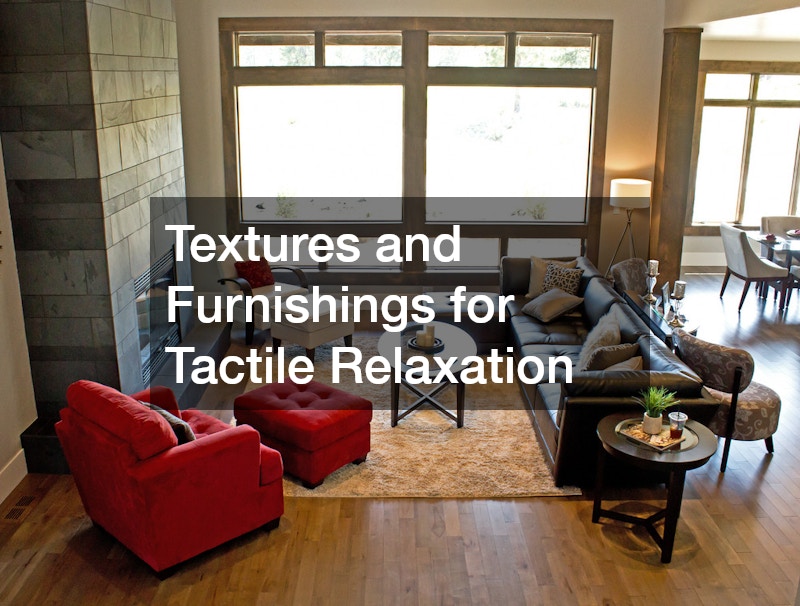
Once your color scheme and lighting are calibrated, the next phase of your cozy transformation focuses on tactile comfort. Cozy living relies heavily on physical touch; every surface you interact with should invite tactile enjoyment and physical ease.
Choosing Deep and Inviting Seating
Seating is the heart of any cozy living room or family space. Look for sofas and armchairs that offer deep seat depths, supportive yet soft cushioning, and soft fabric upholstery such as velvet, chenille, boucle, or brushed cotton. Avoid stiff, formal furniture that prioritizes rigid symmetry over actual human relaxation. When shopping for anchor pieces, visiting a local furniture store allows you to physically test seat depths, cushion density, and fabric textures to ensure maximum long-term comfort for your household.
Layering High-Quality Textiles
Textiles are the easiest and most effective tool for adding instant warmth and softness to hard spaces. The key to successful textile layering lies in mixing varying weights, weaves, and patterns while keeping within a cohesive color palette.
-
Drape thick chunky knit or cashmere throw blankets across sofa arms and reading chairs for easy access on chilly evenings.
-
Layer scatter cushions in contrasting textures, such as pairing smooth linen with heavy woven wool or vintage velvet.
-
Hang floor-length insulated curtains high and wide above window frames to block drafts and soften visual lines.
-
Anchor seating arrangements with plush, high-pile area rugs that feel wonderful under bare feet and absorb ambient room noise.
Elevating the Heart of the Home

Kitchens and dining areas are often considered the social center of the household, yet they frequently suffer from cold surfaces, hard lines, and utilitarian styling. Infusing these functional spaces with warm, cozy elements makes gathering for meals and daily conversation a far more inviting experience.
Softening Hard Kitchen Surfaces
Kitchens are naturally full of hard, reflective materials like stainless steel, glass, and polished tile. Balancing these hard surfaces with organic, tactile elements is essential for creating an inviting aesthetic. Introduce wooden cutting boards, woven basketry for fruit storage, and ceramic crocks for cooking utensils along your counters. If your current surfaces are dated, scratched, or cold, investing in modern countertop replacements using warm-toned quartz, butcher block, or honed granite can dramatically elevate the room visual appeal. Furthermore, utilizing comprehensive painting services to update chilly metal or dark oak cabinets with soft cashmere or soft cream shades can totally revamp the room atmosphere without requiring a full structural overhaul.
Creating Warm and Purposeful Dining Spaces
Dining rooms should encourage long, relaxed meals and deep conversation rather than hurried eating. Swap out hard wooden dining chairs for upholstered seating, or add tailored seat cushions tied with velvet ribbons. Keep the dining table styled even when not in use with a simple linen runner, a stoneware vase filled with dried botanicals, and a cluster of taper candles in brass holders.
-
Position your dining table over a substantial woven wool or jute rug to define the dining zone and dampen noise.
-
Use warm timber dining tables that show natural wood grain and wear gracefully over time.
-
Hang a low-hanging pendant light or chandelier directly above the center of the dining table to create an intimate pool of light.
Restful Retreats and Bedroom Sanctuary Design

Your bedroom should serve as the ultimate restorative sanctuary, completely shielded from the stresses of daily life. Transforming this private space into a haven of deep rest requires prioritizing sleep quality, visual calm, and sensory delight.
Investing in Uncompromising Sleep Comfort
The centerpiece of any cozy bedroom is undeniably the bed itself. True physical renewal depends heavily on the quality of your sleep surface and bedding materials. If your current bed is causing stiffness or restless nights, exploring local mattress stores can help you find the precise level of ergonomic support and plush pressure relief tailored to your sleeping style. Complement a supportive base with breathable, natural bedding materials like pure washed linen, crisp organic cotton percale, or silky bamboo. Layer your bed with a down or down-alternative duvet insert that offers cloud-like loftiness without heavy, suffocating weight.
Eliminating Visual Friction in Rest Areas
Clutter and visual noise stimulate the brain, making it difficult to transition into a restful state. Keep bedside tables clear of loose papers, electronic cords, and unread mail. Instead, restrict nightstand items to a warm reading lamp, a glass of water, and perhaps a small tray for jewelry. Choose closed storage options like wardrobes and deep dresser drawers to keep clothing out of sight, maintaining a serene, uncluttered visual landscape.
Elevating Flooring for Acoustic and Physical Comfort
What sits underfoot profoundly impacts how a home feels and sounds. Hard, cold, squeaky, or echoing floors immediately undermine any attempts at creating a warm and secure environment.
Upgrading to Natural Hardwood
There is an undeniable timelessness and organic warmth associated with natural wood underfoot. Unlike cold tile or cheap laminate, wood adjusts gently to ambient temperatures and provides a softer, more luxurious feel. Engaging a licensed flooring contractor to assess your subfloors and recommend the right wood species can transform the overall architectural quality of your home. To ensure long-term durability, smooth acoustics, and seamless transitions between rooms, opting for a professional wood floor installation gives your home a solid, beautifully crafted foundation that lasts for generations.
Strategic Rug Placement and Acoustic Dampening
Even with beautiful hardwood flooring, strategic rug placement is essential for acoustic comfort and thermal insulation. Echoes and loud footsteps ruin the quiet tranquility of a residence.
-
Place large area rugs under major furniture groupings, ensuring at least the front feet of all seating pieces rest on the rug.
-
Utilize felt carpet pads underneath all area rugs to add extra cushioning, prevent slipping, and maximize sound dampening.
-
Lay narrow runner rugs in long hallways and entryways to catch dirt, soften footsteps, and visually guide movement through the home.
Maintaining A Pure and Serene Atmosphere
Cozy living is not merely about decor; it is also heavily rooted in the atmosphere, hygiene, and air quality of your living space. A dusty, chaotic, or neglected house cannot function as a true retreat, no matter how plush your throw pillows are.
Establishing Effortless Housekeeping Routines
A clean space promotes a quiet, unfettered mind. When dirt, dust mites, and grime accumulate, the home feels heavy and stagnant. Establishing consistent cleaning systems helps maintain a fresh and welcoming environment. However, when busy work schedules make deep cleaning difficult, scheduling a trustworthy house cleaning service can ensure that baseboards, ceiling fans, upholstery, and hidden corners are meticulously maintained, leaving you free to simply enjoy your living space.
Cultivating Organic Indoor Scents
Scent is directly linked to the emotional center of the brain and plays a massive role in creating immediate feelings of comfort and nostalgic warmth. Avoid harsh synthetic aerosol sprays or artificial air fresheners that release chemical fumes. Instead, rely on natural scenting methods to infuse your home with subtle, seasonal aromas.
-
Simmer a pot of water on the stove with sliced oranges, cinnamon sticks, clove buds, and fresh rosemary sprigs.
-
Use ultrasonic essential oil diffusers loaded with grounding essential oils like cedarwood, lavender, bergamot, or frankincense.
-
Place dried lavender sachets inside linen closets, dresser drawers, and coat closets to keep textiles smelling fresh.
-
Keep fresh, potted indoor plants like peace lilies, pothos, or snake plants to naturally filter indoor air while adding vibrant green life.
Structural Upgrades and Intentional Layout Transformations
Sometimes, achieving true comfort requires moving beyond cosmetic decor updates to address the fundamental layout and architectural integrity of your property. Drafty windows, poorly placed walls, inefficient storage, and awkward floor plans can continuously disrupt your daily comfort.
Reconfiguring Layouts for Flow and Intimacy
Open-concept living spaces can sometimes feel overly vast, echoing, and exposed. To make a large or awkwardly shaped room feel cozy, divide the floor plan into distinct functional zones. Position your main seating arrangement inward toward a focal point, such as a fireplace, a picturesque window view, or a central coffee table, rather than facing furniture toward open doorways. Use open-backed bookshelves, folding room divider screens, or large area rugs to establish clear visual boundaries between your living, dining, and workspace zones.
Planning Custom Architectural Additions
If your living space lacks character, structural integrity, or efficient storage, working with a qualified general contractor can open up exciting possibilities for custom built-ins and architectural upgrades. Custom additions not only solve functional storage headaches but also endow a home with historic charm and built-in warmth.
-
Build custom window seats with hinged top storage beneath low windows to create instant, cozy reading nooks.
-
Construct floor-to-ceiling book shelving around doorway arches or fireplaces to display literature and family treasures.
-
Install wall paneling, such as board and batten, beadboard, or traditional wainscoting, to add rich visual texture to plain drywall.
-
Add decorative timber ceiling beams to high ceilings to draw the eye upward and bring a sense of rustic intimacy to large rooms.
Executing Comprehensive Home Revitalizations
When a house requires extensive structural repairs, layout reconfigurations, or full-room overhauls, hiring an experienced home renovation service ensures that complex projects are executed safely, on schedule, and up to code. Whether you are reconfiguring a cramped bathroom into a spa-like retreat or converting an unfinished basement into an inviting family media room, professional expertise turns ambitious renovation dreams into tangible, comfortable realities.
Transforming your house into a sanctuary of cozy living is an ongoing, deeply personal journey rather than a single weekend project. It is about thoughtfully layering warmth, texture, light, scent, and structural functionality until every room reflects your personal lifestyle and offers genuine comfort. By taking the time to address both the sensory details and the foundational elements of your space, you create an environment that actively supports your mental and physical well-being.