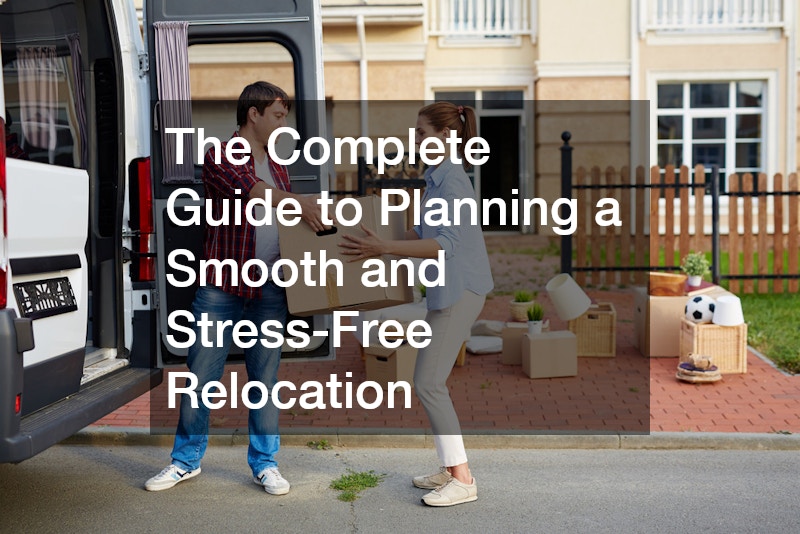
Relocating to a new home or workspace is one of life’s biggest transitions. While the idea of starting fresh in a new environment can be exciting, the process of packing, organizing, transporting belongings, and settling into a new space can quickly become overwhelming. Without proper planning, what should be an exciting milestone can easily turn into a stressful experience filled with unexpected challenges.
A successful relocation requires more than simply packing boxes and transporting items from one place to another. It involves careful planning, organization, and preparation well in advance of moving day.
Start Planning Well in Advance

Create a Realistic Timeline
One of the most effective ways to avoid unnecessary stress during a relocation is to start planning early. A detailed timeline helps break the process into manageable tasks that can be completed gradually rather than rushed through at the last minute.
Many people begin by researching a reliable moving company several weeks before their relocation date. Early planning gives you more flexibility when scheduling services and allows you to compare different options before making a decision.
Make a Detailed Moving Checklist
A checklist helps keep track of everything that needs to be completed. This may include tasks such as sorting belongings, packing nonessential items, transferring utilities, and preparing essential documents.
Set a Budget for the Move
Relocation expenses can add up quickly if you don’t plan ahead. Costs may include transportation, packing materials, temporary accommodations, and specialized handling for fragile or bulky items.
Setting a clear budget early on allows you to make smarter decisions and avoid unexpected expenses later in the process.
Schedule Important Tasks Early
Certain services and appointments may book up quickly during busy relocation seasons. Scheduling these tasks in advance helps ensure everything is ready before moving day arrives.
Completing major planning steps early provides peace of mind and gives you more time to focus on the details that will make your transition easier.
Declutter and Organize Before Packing
Evaluate What You Truly Need
Relocation presents a perfect opportunity to evaluate your belongings and decide what is truly worth taking with you. Many households accumulate items over time that are rarely used or no longer necessary.
Sorting through your possessions early allows you to reduce clutter and simplify the entire packing process.
Separate Items Into Categories
When decluttering, it helps to divide items into categories such as keep, donate, sell, and discard. This method makes it easier to stay organized while making decisions about each item.
Donate or Sell Unused Items
Many items that you no longer need may still have value to others. Clothing, furniture, electronics, and household goods can often be donated or sold through local marketplaces.
Dispose of Unwanted Items Responsibly
For items that cannot be donated or sold, proper disposal is important. Recycling centers, waste facilities, and community collection events can help you dispose of materials responsibly.
By reducing the volume of belongings before packing begins, you make the entire relocation process faster and more efficient.
Create a Strategic Packing Plan

Gather High-Quality Packing Materials
Using durable boxes, packing paper, and protective materials is essential for protecting your belongings during transportation. Investing in high-quality supplies helps prevent damage and ensures that your items remain secure throughout the journey.
Professional furniture movers often recommend specialized materials for protecting delicate or oversized items.
Pack One Room at a Time
Packing room by room helps maintain organization and reduces confusion when unpacking later. Label each box clearly with its contents and the room where it belongs in the new location.
This method also makes it easier for movers to place boxes in the correct areas when unloading.
Protect Fragile and Valuable Items
Fragile belongings require extra care during packing. Use cushioning materials such as bubble wrap, foam sheets, or packing paper to prevent movement inside boxes.
Important documents and valuables should be packed separately and transported personally whenever possible.
Prepare an Essentials Box
An essentials box contains items you will need immediately after arriving at your new location. This may include toiletries, medications, phone chargers, clothing, and important paperwork.
Keeping these items easily accessible eliminates the need to search through multiple boxes on your first day in the new space.
Choose the Right Assistance for Your Needs
Understand Different Types of Help Available
Relocation support can vary depending on your needs and budget. Some people prefer full-service assistance, while others only need help with heavy lifting or transportation.
Options such as labor only moving services allow individuals to handle packing themselves while still receiving professional help with loading and unloading.
Evaluate Experience and Reliability
Before selecting a service provider, it’s important to research their reputation, experience, and reliability. Reading reviews and requesting references can help you make a confident decision.
Many people rely on established moving company providers with proven track records of successful relocations.
Request Detailed Quotes
Obtaining multiple quotes allows you to compare pricing and service offerings. Make sure each estimate includes transportation, labor, and any additional fees that may apply.
Clear communication helps prevent misunderstandings and ensures that all expectations are clearly defined before moving day.
Confirm Services in Advance
Once you select the right assistance provider, confirm all details well before your scheduled relocation date. This includes arrival times, equipment needs, and any special handling requirements.
Careful preparation ensures that everyone involved understands their responsibilities and helps the entire process run smoothly.
Plan for Temporary Storage If Needed
Identify Situations Where Storage Helps
Sometimes relocation timelines do not perfectly align. You may need to move out of your current location before your new space is ready, or you might need additional time to organize your belongings.
In these situations, storage services can provide a convenient solution for keeping items safe until you are ready to move them into your new location.
Choose the Right Storage Size
Selecting the appropriate storage space ensures that your belongings remain protected without paying for unnecessary extra capacity.
Many facilities offer a variety of storage units designed to accommodate everything from small household items to large furniture pieces.
Organize Items for Easy Access
If you plan to store items temporarily, organize them so that frequently needed belongings are easily accessible. Label boxes clearly and leave pathways within the storage space.
This approach helps you retrieve specific items without needing to unpack everything.
Protect Items During Storage
Using protective covers, moisture-resistant materials, and sturdy containers can help prevent damage while items remain in storage.
Proper organization and preparation ensure that your belongings stay in excellent condition until you are ready to move them to their final destination.
Prepare for a Smooth Moving Day
Confirm All Final Arrangements
A few days before relocation, it’s important to confirm every major detail related to the move. Double-check scheduling, contact information, transportation plans, and any special instructions that need to be communicated ahead of time.
Many people also confirm arrival times with their movers to ensure everyone is aligned and prepared for the day ahead. This simple step can prevent confusion and help the day begin on schedule.
Keep Important Documents Accessible
During the relocation process, certain documents should remain easily accessible. This may include identification, contracts, property records, or financial paperwork.
Keeping these documents in a clearly labeled folder or bag ensures that you can quickly access them if needed during the transition.
Prepare Your Home for Departure
Before leaving your current location, it’s important to complete a final walkthrough of each room. Check closets, cabinets, and storage areas to make sure nothing has been left behind.
Disconnecting appliances, turning off utilities, and ensuring windows and doors are secured are also essential tasks that should be completed before departure.
Communicate Clearly Throughout the Day
Clear communication helps everything run smoothly. If you are working with moving businesses, providing clear instructions about fragile items, box placement, and furniture positioning will make the unloading process much easier once you arrive.
Maintaining open communication helps everyone stay coordinated and prevents delays.
Coordinate Large or Specialized Items

Identify Items That Need Extra Care
Some belongings require additional planning because of their size, weight, or fragility. Large furniture pieces, artwork, appliances, and specialty equipment often need special preparation.
Professional furniture movers are typically experienced in handling oversized or delicate items safely during transportation.
Disassemble Furniture When Necessary
Many large items can be partially disassembled to make transportation easier. Bed frames, desks, tables, and shelving units often travel more safely when taken apart.
Keeping all screws, bolts, and small parts in labeled bags helps ensure that everything can be reassembled easily later.
Protect Surfaces and Corners
Furniture surfaces can easily become scratched or damaged during transport if they are not properly protected. Blankets, padding, and corner guards can help prevent damage while items are being moved.
These precautions are especially important when items must be carried through tight hallways or staircases.
Plan the Layout for the New Space
Before relocation day arrives, consider where large furniture pieces will be placed in your new home or office. Creating a basic layout plan allows movers to place items directly where they belong instead of moving them multiple times.
This simple step can save significant time and effort during the unloading process.
Plan Ahead for Business Relocations
Minimize Operational Disruptions
Relocating a business requires careful coordination to avoid disrupting daily operations. Planning the move outside of peak business hours or scheduling it over a weekend can help minimize interruptions.
Many organizations rely on experienced commercial moving companies to handle complex relocations efficiently.
Organize Office Equipment and Documents
Before relocating a workplace, it’s important to organize equipment, technology, and paperwork. Labeling cables, packing computers carefully, and organizing files can make the setup process easier in the new location.
Taking photos of equipment setups before disconnecting them can also help simplify reinstallation.
Communicate With Employees and Clients
Keeping employees informed about relocation plans helps everyone prepare for the transition. Clear communication ensures that team members understand schedules, responsibilities, and new workplace expectations.
Clients and partners should also be notified in advance so they are aware of the upcoming change in location.
Coordinate Specialized Logistics
Business relocations often involve additional logistics such as equipment transport, large furniture installations, and workspace configuration.
Working with commercial moving companies that specialize in business relocations can help ensure that everything is handled efficiently and professionally.
Keep Your Belongings Safe During the Transition
Use Reliable Transportation Solutions
Transporting belongings safely is one of the most important aspects of any relocation. Choosing experienced professionals ensures that items are handled with care from start to finish.
Many households rely on local moving services to handle short-distance relocations with efficiency and reliability.
Label Boxes Clearly
Clear labeling helps prevent confusion during unloading and unpacking. Each box should include the room it belongs in as well as a short description of its contents.
This simple step allows helpers and professionals to place items in the correct areas without needing additional instructions.
Monitor the Transportation Process
If possible, remain available during transportation to answer questions and provide guidance if needed. Being present helps ensure that fragile items receive proper attention and that everything is delivered safely.
Maintaining communication during the process allows you to address any unexpected issues quickly.
Perform a Quick Inventory Check
Once everything has arrived at your new location, conduct a quick inventory check to make sure all boxes and items have been delivered.
This final step helps confirm that nothing was misplaced during transportation.
Organize Your New Space Efficiently
Unpack Essential Items First
Once you arrive at your new location, start by unpacking the most important items first. Essentials such as toiletries, clothing, and kitchen supplies should be prioritized.
This approach allows you to quickly settle into your new environment without feeling overwhelmed by the number of boxes.
Set Up Key Areas of the Home
Focus on setting up the most frequently used spaces first. Bedrooms, kitchens, and bathrooms are usually the highest priority because they support daily routines.
Completing these areas early can help restore a sense of normalcy after the relocation.
Arrange Long-Term Storage Solutions
Some belongings may not be needed immediately after the move. Seasonal items, extra furniture, or archived documents may require additional space.
Businesses and homeowners sometimes rely on commercial storage solutions when extra capacity is needed for long-term organization.
Maintain Organization Moving Forward
Once everything has been unpacked and arranged, maintaining organization becomes much easier. Regularly evaluating belongings and keeping storage areas tidy can prevent clutter from building up again.
Taking time to organize properly during the first few weeks in your new location helps create a comfortable and functional living or working environment.
Relocating to a new home or workplace is a major life event that involves many moving parts. From organizing belongings and preparing packing materials to coordinating transportation and settling into a new space, every stage of the process requires careful planning and attention to detail.
While relocation can initially feel overwhelming, having a clear plan in place makes a tremendous difference. Breaking the process into manageable steps allows you to stay organized and focused while gradually completing each task.