Making energy-saving improvements to reduce household energy use has become a high priority for homeowners who want to save money, improve comfort, and contribute to sustainability. Rising utility costs and greater awareness of environmental responsibility are encouraging more families to consider energy-efficient improvements that deliver both immediate and long-term value. Whether someone is just beginning to reduce waste or is prepared to make a major investment in home upgrades, knowing where to start can prevent mistakes and maximize savings.
There are many ways to lower energy consumption, but not every energy-saving improvement delivers the same return. Some upgrades cut regular utility costs, while others improve insulation, reduce environmental impact, or boost overall home performance. A thoughtful approach that combines quick fixes with larger, strategic improvements can create a home that is more comfortable, durable, and economical year-round. The key is knowing which changes offer the biggest impact — and how different services can work together to support your efficiency goals.
Exploring Sustainable Power to Lower Monthly Bills
One of the most influential decisions homeowners can make is how they power their home. Renewable energy offers a substantial shift away from traditional electricity sources, allowing families to control usage and avoid unpredictable rate increases. Many households begin by consulting energy-saving companies that specialize in evaluating needs, budgets, and the property’s potential for renewable upgrades.
Among the most popular solutions are installations provided by solar energy companies. These professionals assess sunlight exposure, roof structure, and electrical demands to determine the most effective system design. By producing electricity on-site and reducing dependence on the grid, homeowners gain more predictable energy costs over time. When electricity rates spike, solar installations help stabilize spending.
Another advantage involves qualifying for financial programs, such as tax credits or net-metering incentives, which reward households for generating clean energy. Over the lifespan of the system, these benefits often exceed the initial investment. Homeowners also appreciate the environmental value — solar systems generate power without consuming natural resources or producing greenhouse emissions.
Even those not ready for full solar conversion can receive guidance from experts to plan phased improvements. Renewable energy is evolving quickly, and professional support ensures homeowners select solutions designed for maximum performance and long-term reliability.

Extending Efficiency Outdoors With Low-Cost Pool Heating
Energy waste doesn’t only occur inside the home. Outdoor amenities, such as swimming pools, can also significantly impact monthly spending — particularly when heated using traditional electric or gas systems. That’s why many families now consider solar pool heating services recommended by energy-efficiency specialists.
Here again, energy-saving companies frequently help homeowners understand how this upgrade can extend the swimming season while dramatically reducing utility consumption. Solar-based heating works by circulating pool water through solar collectors that absorb heat from daylight before returning it to the pool. During warmer months — when swimming is most frequent — this natural heating resource is abundantly available.
Because these systems rely on sunlight instead of burning fuel, they offer notable cost reductions. Many households quickly recoup their installation expense due to savings on electricity or gas. Solar pool heaters also tend to have fewer mechanical components that wear out, meaning maintenance costs remain relatively low.
This upgrade also encourages healthier living, as families become more inclined to spend time outdoors rather than avoid a cold pool. When used as part of a broader efficiency plan, solar pool heating showcases how outdoor improvements and indoor upgrades can work together to achieve meaningful sustainability benefits.
Rethinking Transportation for Cleaner Daily Travel
Energy efficiency isn’t limited to the home structure — it also reflects how families travel. Vehicle emissions and fuel spending affect both the environment and monthly budgets. To cut dependency on gasoline, more people are exploring alternatives sold through an electric bike shop.
Professional energy-saving companies often point out that switching even a few weekly trips from a car to an electric bike can significantly reduce fuel consumption. E-bikes provide assistance through rechargeable batteries, allowing riders to travel farther without strenuous effort. They are ideal for errands, commutes, and recreational rides, making sustainable transportation practical.
Financial benefits accumulate quickly. Gas costs, maintenance obligations, and parking expenses all decrease. Many riders find that their electric bike pays for itself within a couple of years through savings alone. Because they operate quietly and do not emit harmful pollutants, e-bikes also contribute to improved air quality and reduced urban congestion.
Beyond sustainability, e-bikes promote better fitness while remaining accessible to a wide range of users. Riders can choose between pedaling independently, using partial assistance, or relying fully on electric power for steep inclines. Integrating this transportation option into daily routines supports both personal wellness and greener living.
Strengthening the Home’s First Line of Defense
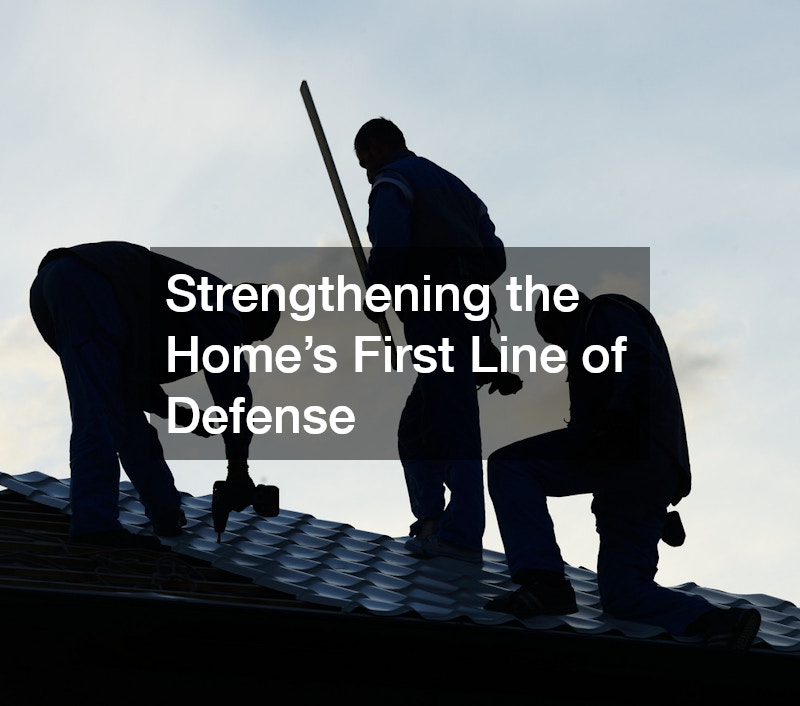
Protecting a home from waste often begins at the top. If a roof is cracked, damaged, or poorly sealed, indoor temperatures become unstable and HVAC units must work harder — greatly increasing energy use. This makes roof maintenance services a critical component of any efficiency plan.
Because roofs continually endure sun, wind, rain, and seasonal temperature swings, preventive evaluations recommended by energy-saving companies help homeowners identify small problems before they escalate into major inefficiencies. Repairing worn shingles, resealing weak spots, and clearing debris can restore insulation power and reduce the workload on heating and cooling equipment.
Maintaining the roof also extends the life of the structure and reduces environmental waste. A well-kept roof delays the need for full replacement, meaning fewer materials are used and disposed of over time. These proactive services improve comfort as well by eliminating drafts and stabilizing indoor temperatures.
When investing in high-value improvements, it’s essential not to overlook protective upgrades. Roof maintenance is one of the clearest examples of how preventive care and sustainability overlap: small fixes yield notable long-term energy savings.
Improving Ventilation for Better Airflow and Climate Control
Homeowners typically focus on insulation when thinking about efficiency, but ventilation plays an equally important role. Without proper airflow, heat and moisture can collect in the attic, forcing HVAC systems to compensate. Installing vented roof systems is one of the most effective ways to enhance indoor comfort and reduce wasted energy.
These systems are frequently recommended by energy-saving companies because they allow rising heat to escape, preventing attic temperatures from reaching levels that radiate downward into living spaces. In the summer, this can mean the difference between a home that constantly relies on air conditioning and one that remains comfortable naturally.
Vented roofing also helps manage moisture. Excess humidity can weaken structural materials, damage insulation, and foster mold growth. Ventilation reduces buildup, protecting indoor air quality while ensuring the building envelope remains strong. Because HVAC units don’t need to fight against trapped heat, they last longer and consume less power.
This improvement provides a valuable foundation for nearly all other efficiency upgrades. When airflow in the home is optimized, every related system — from heating to insulation — operates more effectively.

Keeping Warm, Spending Less: Smarter Heating Strategies
Climate-control systems account for a large percentage of energy use in most homes, especially during cold months. That’s why working with energy-saving companies to assess heating performance often leads to some of the fastest, most significant savings.
Professionals providing local heating services inspect furnaces, ductwork, and thermostats to ensure heat is distributed efficiently. Sometimes, simple repairs such as sealing ducts or replacing clogged filters can instantly lower bill costs. When appropriate, upgrading to a high-efficiency furnace or smart thermostat offers even greater improvement and user control.
Heating efficiency isn’t only about equipment — it’s also about comfort. Inconsistent indoor temperatures may signal poor airflow, heat leakage, or insufficient insulation. Correcting these issues allows households to use heat more responsibly without sacrificing warmth. This supports both well-being and long-term savings.
Reliable heating systems also protect against winter-related structural issues like frozen pipes or excess condensation. When strategic improvements are made, entire indoor environments feel more stable, healthier, and financially manageable.
Locking in Comfort and Cutting Waste With Insulation
Few investments have as much direct impact on monthly energy bills as insulation upgrades. When insulation is outdated or improperly installed, heated and cooled air escapes quickly — and HVAC systems push harder to compensate. That’s why many energy-saving companies strongly recommend insulation installation services as a primary step toward efficiency.
Effective insulation traps comfortable air inside while blocking extreme outdoor temperatures. During winter, warm air stays in the home longer; during summer, heat remains outside instead of creeping in. As a result, heating and cooling units cycle less frequently, reducing energy consumption and extending equipment lifespan.
Newer insulation materials also enhance sound control and contribute to cleaner indoor environments by minimizing pollutant infiltration. Homeowners often notice immediate improvements in overall comfort, especially in spaces that previously felt draughty or noisy.
Because insulation affects nearly every other part of the home’s climate performance, this upgrade is one of the smartest ways to build long-term savings. It delivers reliable results year-round — not just during seasonal extremes.
Sealing the Gaps Where Energy Slips Away
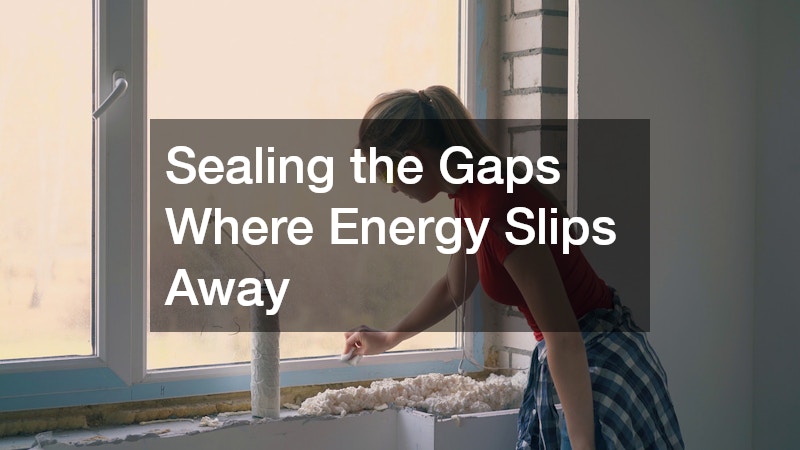
Windows contribute significantly to heat transfer inside a home. Cracked frames, weakened seals, and damaged panes allow conditioned air to escape while outdoor temperatures creep in. That leads many energy-saving companies to recommend professional window repair as a highly effective step toward efficiency.
Repairs target both insulation and sealing issues by restoring the barrier that separates indoor living environments from outside climate changes. Weatherstripping, caulking, and hardware replacement often make immediate differences in comfort, particularly in rooms facing harsh sunlight or frequent wind exposure.
Improved windows also enhance natural light, which may reduce reliance on artificial lighting during daytime hours. Better visibility creates a more comfortable aesthetic while lowering electrical consumption. Homeowners further gain security benefits and noise reduction, making this upgrade valuable in multiple ways.
For households not ready for full window replacement, targeted repairs deliver meaningful improvements at a lower cost — a practical middle ground that supports both comfort and savings.
Preventing Hidden Issues That Sabotage Efficiency
Even the best-insulated homes can lose efficiency when hidden moisture problems go undetected. Mold, in particular, damages insulation materials and compromises indoor air. That’s why energy-saving companies emphasize proactive mold detection services as part of comprehensive home care.
When mold infiltrates walls, crawl spaces, or flooring, it spreads quickly and reduces the home’s ability to maintain stable temperatures. Additionally, mold contamination may trigger health symptoms that disrupt daily comfort. Early detection helps homeowners address the root cause — whether a leak, humidity issue, or ventilation failure — before problems escalate.
Effective remediation restores insulation performance and protects structural materials from deterioration. This prevents costly future repairs, reduces waste, and eliminates conditions that force heating and cooling equipment to work harder. Sustainable home management requires identifying concerns long before they become financially and environmentally expensive.
Protecting the home from hidden moisture isn’t just maintenance — it’s a major efficiency safeguard.
Reinforcing Efficiency From Below
The foundation of a home plays an important role in temperature stability and moisture protection. If air leaks or humidity seep in from beneath the structure, energy loss becomes unavoidable. Thankfully, professional local crawl space repairs can close those vulnerabilities.
These improvements are often coordinated through energy-saving companies that help homeowners target areas with the highest return. Repairs typically involve sealing gaps, adding insulation, improving vapor barriers, and eliminating mold or pest pathways. By reducing exposure to outdoor air and moisture, crawl spaces prevent temperature fluctuations from traveling upward into living areas.
The result is a healthier and more efficient home environment. Stored belongings remain protected, floor temperatures stabilize, and HVAC units require less effort to maintain comfort. Because these benefits support the performance of every other improvement made inside the home, crawl space restoration is a crucial — yet frequently overlooked — step in a successful energy-saving strategy.
Smart Progress Toward a More Efficient Future
Improving home efficiency isn’t a one-time project — it’s a long-term commitment to better comfort, lower costs, and environmental responsibility. From renewable energy investments to insulation upgrades and moisture control, each improvement supports the others. When homeowners collaborate with qualified professionals, they gain assurance that every decision contributes to their overall sustainability goals.
Small changes create momentum. Purposeful planning prevents waste. And choosing the right improvements ensures that the home remains comfortable and resilient for years to come. Energy-efficient solutions are more accessible than ever, which means now is an ideal time to take the first step toward smarter living.